
Galapagos
Islands
Adventure
Travel Inspiration: The Galápagos Islands
A once-in-a-lifetime journey for curious travelers
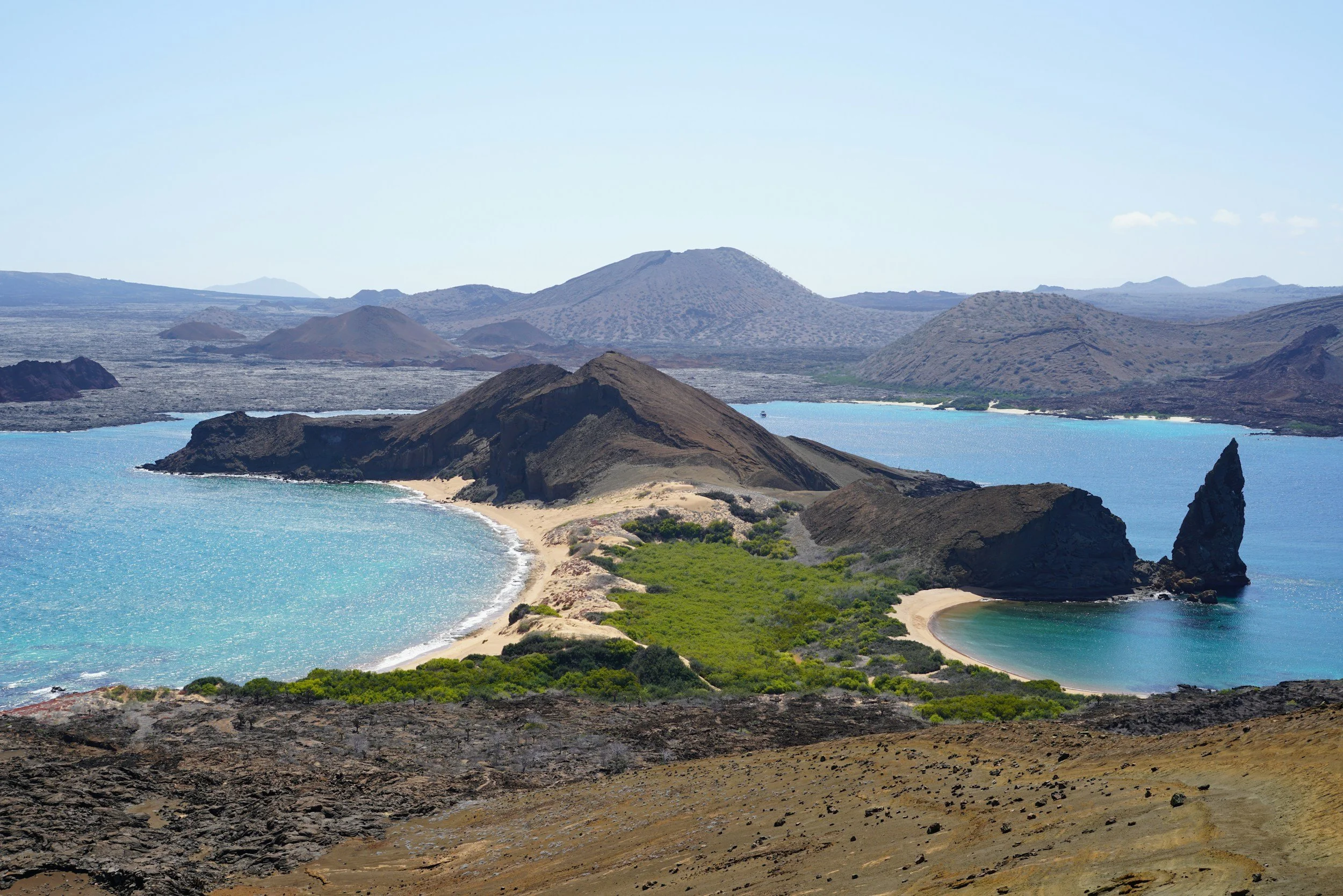
The Galápagos Islands are unlike anywhere else on Earth. Remote, pristine, and remarkably intimate, this Ecuadorian archipelago offers travelers the rare opportunity to experience wildlife and landscapes that feel almost untouched by time. For two couples seeking a meaningful, enriching adventure—one that blends exploration, comfort, and unforgettable moments—the Galápagos deliver in every way.
Whether you choose to explore by land or aboard a small expedition ship, a Galápagos journey is less about checking boxes and more about slowing down, observing, and connecting deeply with nature.
An Overview of the Galápagos Islands
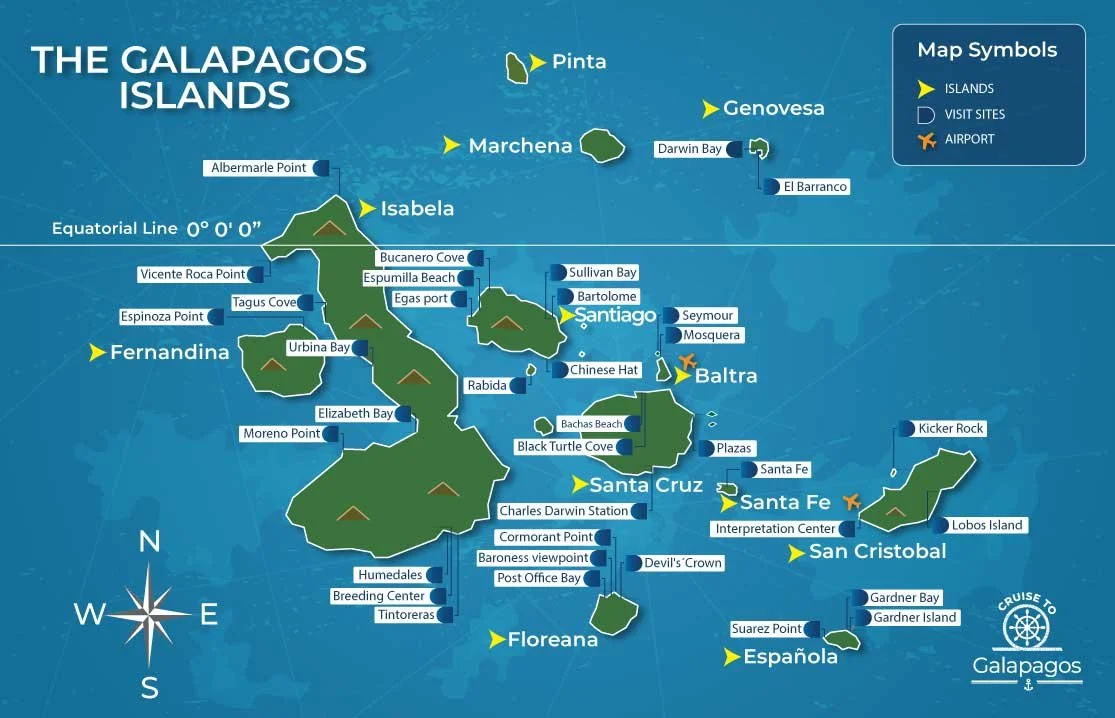
Each island in the Galápagos has its own character, wildlife, and landscapes. A well-designed itinerary typically includes a combination of the following:
Santa Cruz
Often considered the hub of the Galápagos, Santa Cruz is home to Puerto Ayora, charming hotels, excellent dining, and the Charles Darwin Research Station. It’s a great base for land-based travelers and offers easy access to giant tortoise reserves in the highlands.
Isabela
The largest island, Isabela feels wonderfully wild and remote. Think volcanic landscapes, quiet beaches, marine iguanas, and rich snorkeling opportunities. It’s ideal for travelers who want fewer crowds and dramatic scenery.
San Cristóbal
A favorite for first-time visitors, San Cristóbal offers close wildlife encounters right in town—sea lions lounging on beaches, frigate birds overhead—and excellent snorkeling sites. It’s also one of the islands with an airport, making logistics easier.
Floreana
Smaller and less developed, Floreana is often visited via ship and is known for its fascinating human history, pristine snorkeling, and wildlife-rich coastlines.
Many of the most wildlife-dense and remote islands—such as Española or Genovesa—are only accessible by small ship, which is an important consideration when planning.
Getting to the Galápagos
Traveling to the Galápagos begins with a flight to one of Ecuador’s two gateway cities: Quito or Guayaquil. Both cities offer international connections and serve as launch points to the islands.
Quito: Ecuador’s capital is set high in the Andes, with a historic center that’s a UNESCO World Heritage site. Flights from Quito to the Galápagos take about 2–3 hours, and a short airport transfer gets you to your connecting flight to the islands. Many travelers enjoy an overnight in Quito to explore the city and adjust to the altitude before heading to the Galápagos.
Guayaquil: Ecuador’s largest city and main port offers a flatter, coastal option for travelers. Flights to the islands are similar in duration, and Guayaquil can also serve as a convenient arrival or departure point if your itinerary includes the mainland’s Pacific coast or a multi-destination Ecuador adventure.
All flights to the Galápagos require a Galápagos National Park entrance fee (paid upon arrival), and travelers must carry valid passports. Planning flights carefully ensures you arrive in time for hotel check-ins or ship departures, which is especially important for small-ship expeditions.
Land-Based vs. Small Ship Travel
One of the biggest decisions when planning a Galápagos trip is how you’ll explore the islands. Both options offer incredible experiences, but they suit different travel styles.
Land-Based Galápagos
Best for travelers who prefer hotels, flexibility, and a slower pace
Pros:
Stay in boutique or luxury lodges with more spacious rooms
Ability to unpack and enjoy evenings in town
More dining variety and cultural interaction
Ideal for travelers who prefer firm ground and less motion
Cons:
Limited access to remote islands
Day trips can be long and weather-dependent
Less efficient for covering multiple ecosystems
Land-based travel works beautifully when thoughtfully curated, especially for couples who enjoy comfort, flexibility, and a balance of guided excursions with downtime.
Small Ship Galápagos
Best for travelers who want maximum wildlife exposure and efficiency
Pros:
Access to remote, protected islands not reachable by day trips
Multiple guided excursions daily with expert naturalists
No daily packing or logistics—everything is seamless
Exceptional wildlife encounters right off the ship
Cons:
Smaller cabins than hotels
Fixed schedules and itineraries
Less choice in dining and evening activities
For two couples seeking a truly immersive, once-in-a-lifetime experience, small ship cruising often delivers the most comprehensive Galápagos adventure—especially when paired with pre- or post-trip stays on mainland Ecuador.
Best Time of Year to Visit the Galápagos
The Galápagos are a year-round destination, and there’s no “bad” time to go—only different highlights depending on the season.
December–May (Rainy / Warm Season)
Warmer temperatures (77–86°F / 25–30°C) and higher humidity
Brief, localized showers rather than all-day rain
Calm seas, perfect for snorkeling and swimming
Lush landscapes and active wildlife breeding
Ideal for travelers who prefer warm weather and vibrant greenery
June–November (Cool / Dry Season – “Garúa” Season)
Cooler temperatures and overcast skies
Slightly rougher seas, but excellent for marine life spotting (whales, dolphins, sea lions)
Peak season for birdlife and some unique wildlife behaviors
Great for active travelers and wildlife enthusiasts
For couples many prefer April–June or October–November, when conditions are comfortable, wildlife is abundant, and crowds are more manageable.
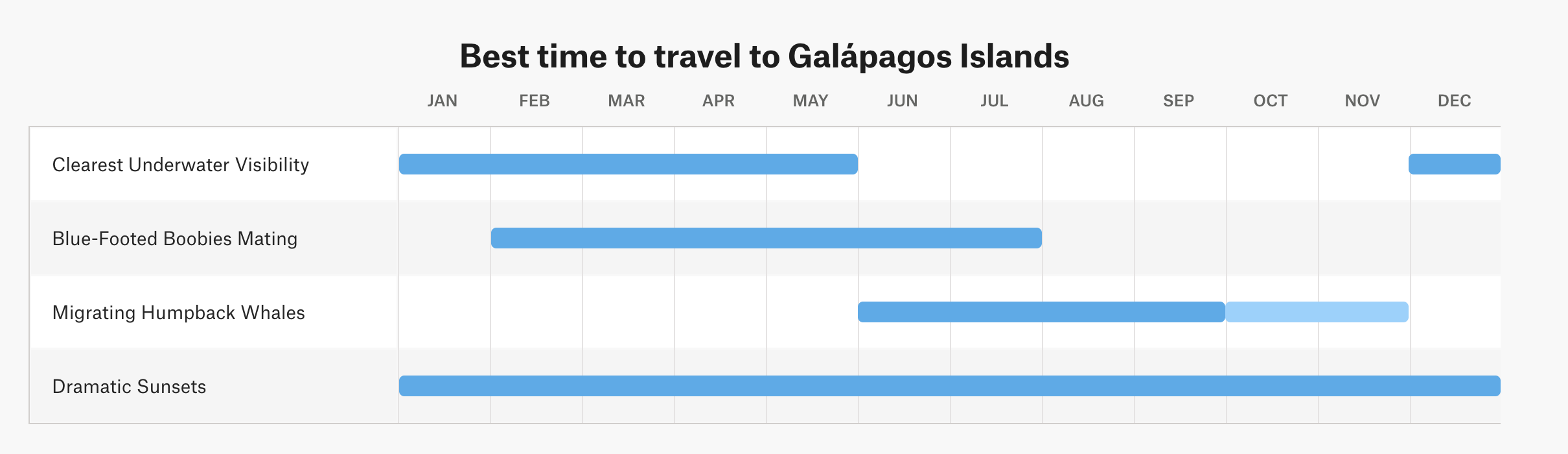
Best Travel times to the Galapagos Islands
Final Thoughts
The Galápagos aren’t about luxury in the traditional sense; they’re about access, expertise, and thoughtful planning. The right itinerary—whether land-based, ship-based, or a blend of both—makes all the difference.
When carefully designed around your travel style, comfort preferences, and timing, the Galápagos become not just a destination, but an extraordinary shared journey.
Sample Galápagos Itineraries Land vs. Small Ship
By Land: 9-Day Land-Based Galápagos Journey
Ideal for travelers who value boutique hotels, flexibility, and evenings ashore
Day 1: Arrive in Ecuador (Quito or Guayaquil)
Arrive in Ecuador and transfer to a well-located hotel. Enjoy a relaxed welcome dinner and time to rest after international travel.
Day 2: Fly to the Galápagos – Santa Cruz Island
Morning flight to the Galápagos. Transfer to Santa Cruz Island and settle into a charming boutique hotel. Afternoon visit to the highlands, home to giant tortoises roaming freely in their natural habitat.
Day 3: Santa Cruz Island Exploration
Guided visit to the Charles Darwin Research Station, followed by time to stroll Puerto Ayora, enjoy lunch waterfront, and relax. Optional snorkeling at Tortuga Bay or Las Grietas.
Day 4: Day Trip to Isabela Island
Early ferry to Isabela Island. Explore volcanic landscapes, snorkel with sea turtles and penguins, and enjoy lunch before returning to Santa Cruz in the evening.
Day 5: Fly or Ferry to San Cristóbal Island
Transfer to San Cristóbal and check into your hotel. Afternoon walk along the coast where sea lions, blue-footed boobies, and frigate birds are often spotted right in town.
Day 6: San Cristóbal Excursions
Boat excursion to Kicker Rock (León Dormido) for world-class snorkeling. Afternoon visit to a local interpretation center and quiet beach time.
Day 7: Leisure Day or Optional Excursions
A slower-paced day to relax, revisit favorite spots, or add a final guided excursion. Perfect for enjoying the rhythm of island life.
Day 8: Return to Mainland Ecuador
Fly back to Quito or Guayaquil. Optional overnight to break up travel.
Day 9: Depart Ecuador
Why choose land-based?
This itinerary offers more space, flexibility, and comfort, with excellent wildlife encounters while still allowing evenings at leisure and a deeper connection to local communities.
By Sea: 8-Day Small Ship Galápagos Expedition
Ideal for travelers who want the most immersive and wildlife-rich experience
Day 1: Arrive in Ecuador
Arrive in Quito or Guayaquil and overnight at a luxury hotel near the airport.
Day 2: Fly to the Galápagos & Embark Ship
Morning flight to the Galápagos, followed by a short transfer to your expedition ship. Meet your naturalist guides and begin exploring immediately with your first island landing.
Days 3–7: Exploring the Galápagos by Sea
Each day includes two guided excursions, such as:
Zodiac landings on remote, uninhabited islands
Snorkeling with sea lions, reef sharks, and marine turtles
Walks through lava fields and along pristine beaches
Visits to islands like Española, Genovesa, Floreana, or Fernandina
Between excursions, enjoy onboard lectures, time on deck spotting wildlife, and relaxed meals with your fellow travelers.
Day 8: Disembark & Return to Mainland Ecuador
Final morning excursion before flying back to Quito or Guayaquil.
Why choose a small ship?
A ship-based itinerary allows you to reach the most remote islands and experience the widest variety of wildlife with seamless logistics and expert-led exploration throughout.
Which Option Is Right for You?
Choose land-based if you prefer boutique hotels, slower evenings, and flexibility
Choose small ship if you want maximum wildlife access and an all-inclusive, expedition-style experience
Consider a blend by adding a short cruise to a land-based stay for the best of both worlds